Web hosting pricing often looks simple at first – low monthly rates, attractive discounts, and “unlimited” claims. But from experience, the real cost usually shows up later through renewals, upgrades, or performance limitations that force you to spend more. That’s exactly what I wanted to test with DreamHost pricing.
DreamHost pricing is often marketed as affordable and beginner-friendly, which makes it appealing if you’re starting out. But after actually using it, I noticed a few things that don’t show up upfront. The initial pricing looks low, but maintaining performance required upgrades, and the long-term cost didn’t feel as predictable as it first seemed.
In this DreamHost pricing review, I’ll break down what you actually end up paying over time, including where the costs increase and when the pricing stops feeling like a good deal.
Is DreamHost Pricing Actually Cheap or Just Marketing?
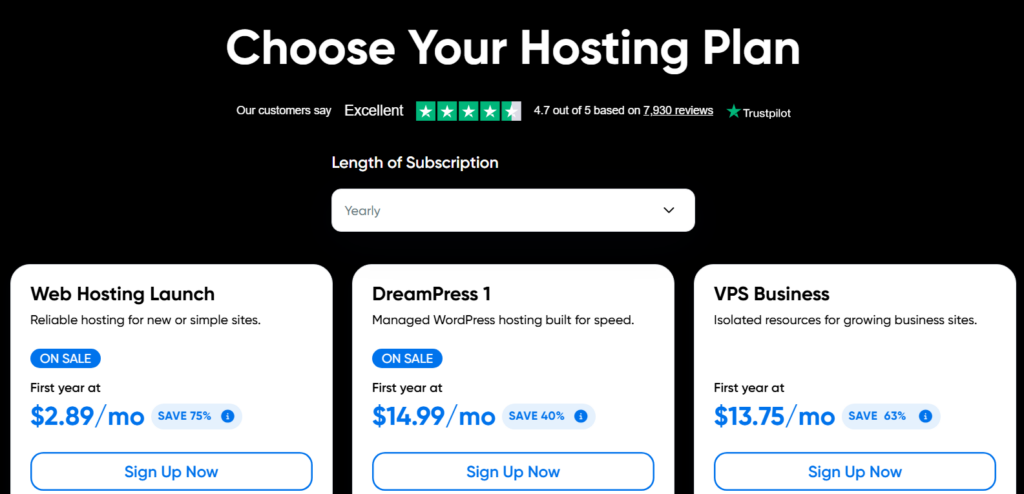
DreamHost feels cheap at the beginning, but that impression changes once the site starts growing or requiring consistent performance. This pricing behavior is closely tied to the overall experience covered in the DreamHost WordPress Hosting Review – Is It Any Good?
When I first signed up, the entry price seemed reasonable and competitive. For a basic WordPress setup, it felt like good value. The setup was simple, and nothing immediately suggested that costs would increase significantly.
However, as I started adding plugins, content, and testing performance under load, the limitations became noticeable. The pricing didn’t change immediately, but the need to upgrade became clear. This is where the perception of “cheap” starts to shift.
The platform isn’t expensive by default, but the cost increases indirectly as your requirements grow. That makes the initial pricing feel more like an entry point rather than a long-term cost.
DreamHost Pricing Plans Breakdown: What You Really Get
DreamHost pricing looks straightforward on the surface, but from my experience, each plan comes with limitations that affect how far you can realistically use it.
The structure is simple – shared, managed WordPress, and higher-tier plans – but the actual value depends on how quickly you run into performance or resource constraints. What I noticed is that each plan works within a narrow range, and once you move beyond that, the cost starts increasing without a proportional improvement in performance.
This is where the pricing becomes less about what you pay initially and more about how quickly you need to move to the next tier.
| Plan Type | Starting Experience | Real Limitation |
|---|---|---|
| Shared Hosting | Low entry price, easy to start | Performance drops as site grows, pushing upgrades |
| Managed WordPress | Slightly improved setup and features | Higher cost without strong performance gains |
| VPS / Higher Plans | More resources available | Cost increases faster than performance improvement |
Shared Hosting Pricing: Affordable but Limited
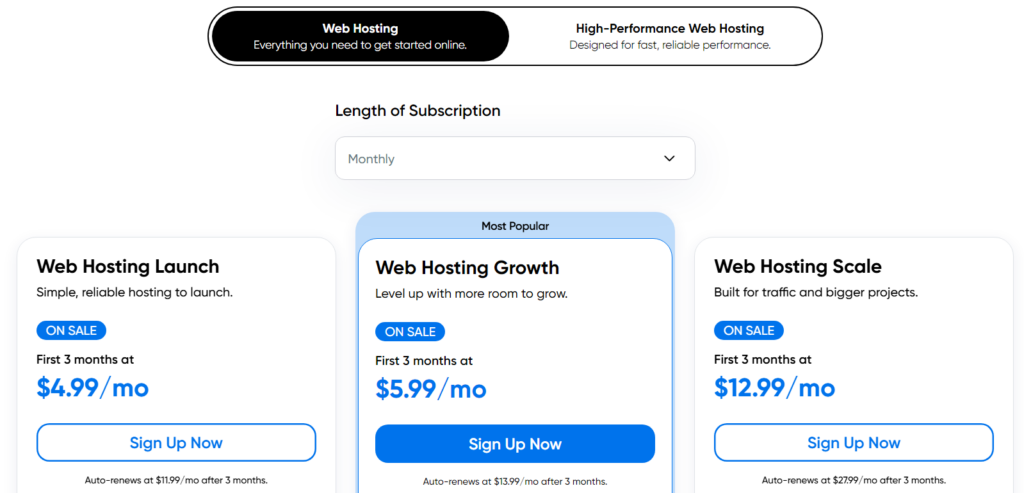
The shared plan is where DreamHost feels most affordable, and initially, it worked fine for basic use.
However, once I added more plugins and content, performance started to drop before hitting any clearly defined limit. This is a key limitation- there are no strict caps shown, but performance degradation acts as the real constraint.
This creates a situation where the plan appears “unlimited,” but in practice, it isn’t. Instead of being restricted outright, the site becomes slower, which pushes you toward upgrading.
This pattern is also reflected in user feedback where people mention performance issues appearing earlier than expected, making the entry-level plan less sustainable for anything beyond simple websites.
Managed WordPress Pricing: Higher Cost, Limited Gains
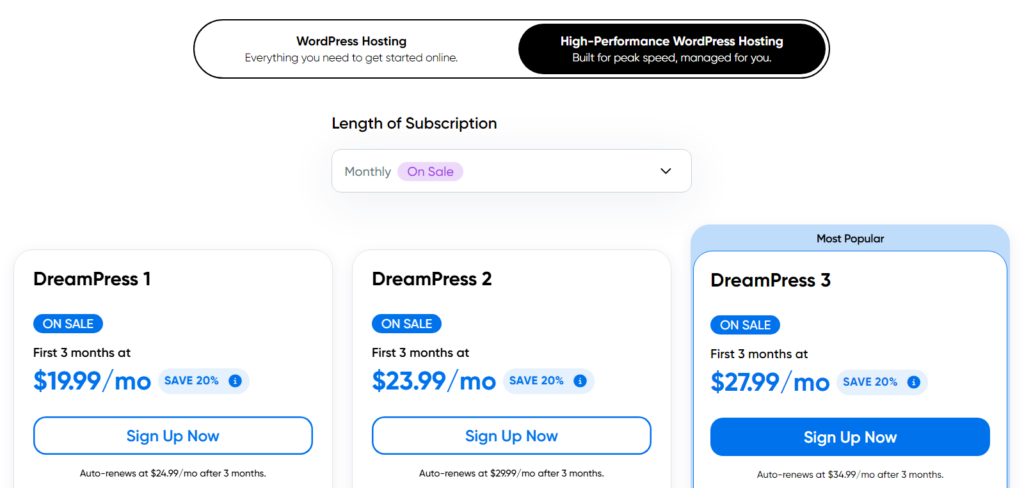
The managed WordPress plan is positioned as a performance upgrade, but in my experience, the improvement didn’t match the price increase.
I expected better backend speed, stronger caching, or more consistent performance. Instead, the difference felt incremental. The same types of slowdowns and inconsistencies were still present under moderate load.
The limitation here is that you’re paying more for convenience rather than meaningful performance gains. Core features like backups and updates are helpful, but they don’t solve the underlying performance constraints.
This aligns with external reviews that point out DreamHost’s managed plans are more feature-focused than performance-focused, which affects their overall value.
Higher-Tier Plans: When Costs Start Increasing Fast
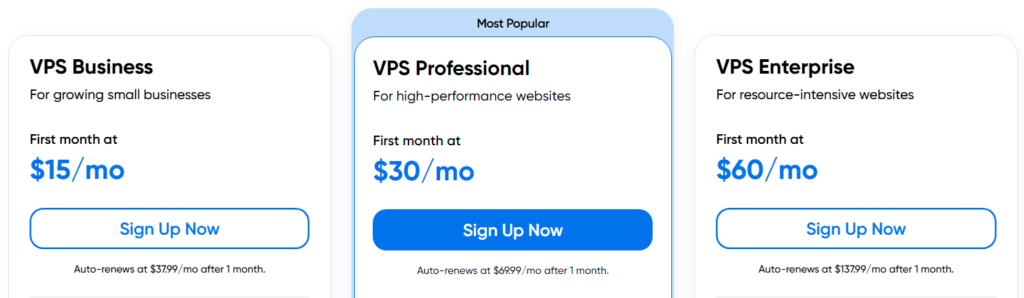
Once I looked into VPS and higher-tier plans, the pricing increased significantly compared to entry-level options.
While these plans offer more resources, the improvement felt more linear than transformative. In other words, you pay noticeably more, but the performance gains don’t feel equally significant.
Another issue is that upgrading becomes reactive rather than planned. Instead of upgrading for growth, I felt pushed to upgrade just to maintain acceptable performance.
This reflects a common complaint seen in user discussions where costs rise faster than expected, especially when scaling becomes necessary.
DreamHost Renewal Pricing: Where Costs Start Adding Up
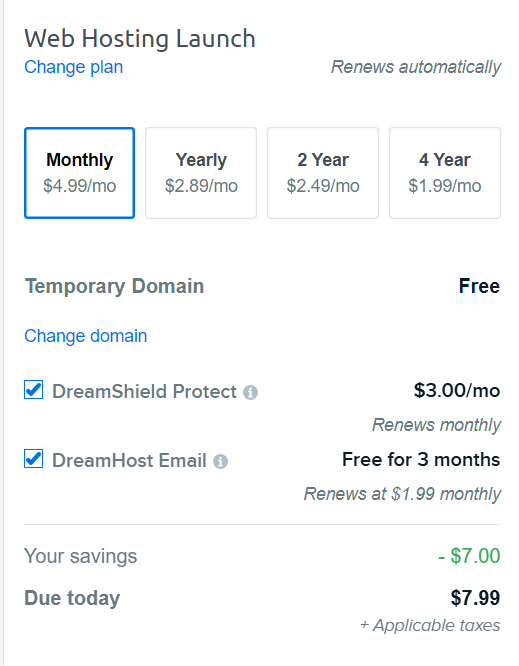
DreamHost pricing becomes noticeably less attractive at renewal, and this is where the real cost starts to show.
During signup, the discounted pricing made it feel like a low-risk decision. But once I looked at renewal rates, the long-term cost was significantly higher than what I initially expected. This shift isn’t gradual – it’s a clear jump that changes the overall value.
This pattern is also reflected in user feedback, where pricing complaints often focus on renewal increases rather than the initial cost. The issue isn’t just that prices go up – it’s how much they increase relative to the starting point.
My Experience With Introductory vs Renewal Pricing
The introductory pricing felt competitive and easy to justify when starting out. It gave the impression that DreamHost was a budget-friendly option for long-term use.
However, once I compared it with renewal pricing, the difference was substantial enough to affect decision-making. The initial discount acts more like a temporary entry point rather than a reflection of ongoing cost.
This creates a mismatch between expectation and reality. What looks affordable at the start doesn’t remain consistent over time.
| Cost Factor | What I Expected | What Actually Happened |
|---|---|---|
| Intro Pricing | Long-term affordability | Temporary discount only |
| Renewal Pricing | Slight increase | Noticeable jump in cost |
| Upgrades | Optional for growth | Required due to performance limits |
| Optimization | Built-in performance | Needed external tools and effort |
Trustpilot Review: Abigail Lopez – US
DreamHost charged my credit card $35.40 without authorization and is now denying a refund. I have contacted their support team, but the issue remains unresolved. Please be cautious to avoid similar treatment.
Why Renewal Costs Feel Less Transparent
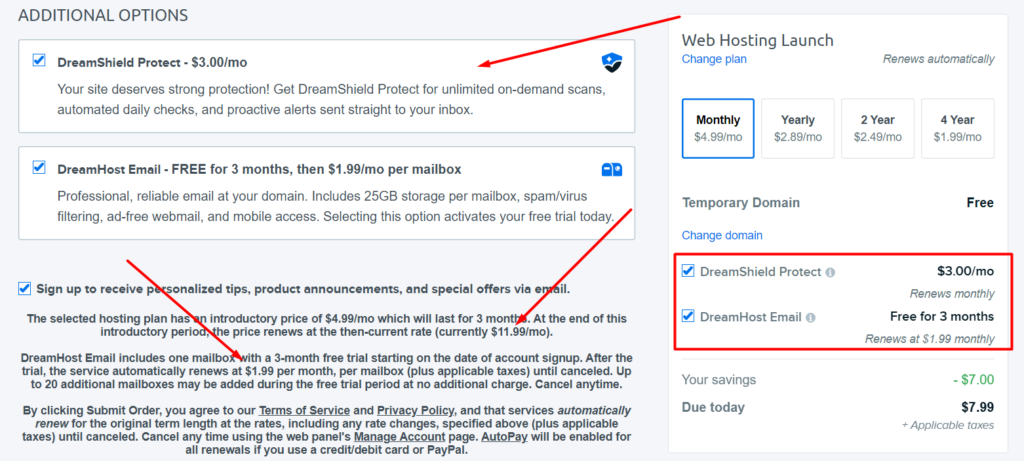
The pricing structure emphasizes the discounted rate far more than the renewal cost. When signing up, the focus is on the lower monthly equivalent, while the actual long-term pricing becomes relevant later.
From my perspective, this makes it harder to evaluate the true cost upfront. You’re making a decision based on short-term pricing, while the long-term commitment is more expensive.
This lack of upfront clarity is also a recurring concern in reviews, where users mention feeling caught off guard by the renewal jump.
Long-Term Cost Impact Over Time
Over time, renewal pricing combined with upgrades increases the total cost beyond what the initial pricing suggests.
What I noticed is that costs don’t just increase once – they compound. Renewal rates go up, and at the same time, performance limitations push you toward higher plans.
This creates a layered cost structure where the longer you stay, the more expensive it becomes to maintain the same level of performance.
Hidden Costs in DreamHost Pricing You Should Know
The most significant costs aren’t always listed – they show up through usage.
From my experience, the base plan covers only the simplest use case. As soon as the site becomes more active or complex, additional effort and resources are needed to maintain performance.
This aligns with user feedback where pricing complaints often mention value dropping over time, not because of a single fee, but because of multiple small limitations adding up.
Trustpilot Review: Andras Haasz – HU
for the last 2 years they have always come up with some extra cost (php extended support) that they have charged me every month, but they have not notified me about it by email, they have just blocked my sites.
Trustpilot Review: Sarah T – CA
As previously stated, there is a callback option, but depending on the plan you have (like the basic), you may have to pay at least $10 for a single callback, unless you have a higher plan that starts off with 3 free callbacks a month.
Upgrade Pressure Due to Performance Limitations
As I added plugins, content, and traffic, performance started to decline before hitting any clear limits. This created a need to upgrade earlier than expected.
The key issue here is that upgrades are driven by performance inconsistency rather than clear resource boundaries. Instead of reaching a defined limit, the site becomes slower, pushing you toward a higher plan.
This pattern is also reflected in external reviews where users mention needing to upgrade sooner than planned due to performance concerns. As performance issues increase, the need for troubleshooting and support also grows, which is something explored in the DreamHost Customer Support Review: How Reliable Is It When You Need Help?
Trustpilot Review: RCA – US
If you are looking at linking your site to a variety of sale channels like Facebook, Instagram, Tiktok etc, ECWID plugin does support this but you must upgrade your Ecommerce plan which is 10- 12x the cost of my Dreamhost hosting plan
Add-Ons and External Tools I Had to Use
To stabilize performance, I had to rely on caching plugins and optimization tools. While these are common in WordPress, the need felt more necessary rather than optional.
The limitation here is that the hosting environment doesn’t provide enough built-in optimization. As a result, performance depends on external tools, which adds complexity and ongoing management.
Even when tools are free, they require time to configure and maintain, which increases the overall cost in a less visible way.
Cost of Managing Performance Over Time
Maintaining consistent performance wasn’t a one-time setup. It required ongoing adjustments, testing, and monitoring.
This adds an operational cost that isn’t reflected in pricing. Instead of paying for a stable environment, I found myself actively managing performance to keep things running smoothly.
Over time, this reduces the practical value of the hosting because the effort required increases alongside the cost.
DreamHost Pricing vs Performance: Is It Worth It?
DreamHost pricing works for simple setups, but the value drops when performance becomes important.
I expected consistent performance based on the pricing tier, but what I experienced was variability. As the site became more complex, the gap between cost and performance became more noticeable.
Upgrading didn’t fully solve the issue. It improved things slightly, but not enough to justify the cost increase.
This creates a clear trade-off. You can keep costs low with a simple site, but once performance matters, the pricing stops matching the experience.
DreamHost Pricing Limitations That Affect Value
The biggest limitation I noticed is that cost does not scale efficiently with performance.
When I upgraded, I expected a clear improvement. Instead, the gains were incremental, while the cost increase was more noticeable. This makes the pricing feel inefficient for anything beyond basic use.
Another issue is how resource constraints affect real-world usage. Even without strict limits, performance drops under load, which reduces the practical value of the plan.
At that point, pricing becomes a bottleneck. You’re paying more, but still working around limitations instead of removing them.
Who Should Avoid DreamHost Based on Pricing?
DreamHost pricing doesn’t work well if your goal is long-term efficiency or performance reliability.
From my experience, it becomes less suitable once the site grows or requires consistent speed. The cost increases indirectly, and the value doesn’t scale with it.
If your site depends on performance or is expected to grow, the pricing structure starts to feel restrictive rather than cost-effective.
Trustpilot Review: Anthony Keys – NZ
I only discovered this when my account was suspended as the payment had not gone through (although I received no notice of a failed payment – not even one). The first notice received was one stating my account was being suspended – with my account being suspended immediately following this.
When DreamHost Pricing Still Makes Sense
Despite the limitations, DreamHost pricing does work in specific scenarios where performance demands are low.
From my testing, the platform performs best when expectations are minimal and the site remains lightweight.
Best Use Cases Based on My Testing
DreamHost works well for small websites that don’t rely on heavy functionality or consistent high performance.
In these cases, the initial pricing remains valid because the limitations are less likely to be triggered. The platform can operate within its strengths without requiring upgrades or optimization.
When Low Cost Is Actually Enough
The low cost holds up when the site stays simple and doesn’t grow significantly. If there are minimal plugins, low traffic, and basic functionality, the pricing remains reasonable.
The limitation is that this use case is narrow. As soon as the site evolves beyond this level, the pricing advantage starts to disappear.
DreamHost Pricing Pros and Cons (Reality Check)
Pros
- Low entry pricing makes it easy to get started
- Good value for simple, low-traffic websites
- No immediate complexity or hidden setup fees
Cons
- Renewal pricing increases long-term cost
- Upgrade pressure due to performance limitations
- Higher plans don’t proportionally improve performance
- Requires additional tools and effort to maintain performance
- Cost becomes inefficient as site grows
Trustpilot Review: Mohammed Salah Bekakria – DZ
Very frustrating experience with DreamHost. I tried to buy a hosting plan, but the PayPal payment failed. Even though the payment didn’t go through, they still created an account for me with a password I never set.
Final Verdict: Is DreamHost Pricing Worth It?
DreamHost pricing works well at the entry level, but based on my experience, it doesn’t hold up as a long-term cost-effective solution.
The biggest issue isn’t the starting price – it’s how the total cost evolves. Between renewal increases, upgrade pressure, and performance limitations, the pricing becomes less predictable and less efficient over time.
What stands out is that each pricing tier solves only part of the problem. The shared plan struggles under growth, managed plans don’t significantly improve performance, and higher-tier plans increase cost without delivering a proportional jump in value.
This pattern is also reflected in user feedback, especially around renewal increases and scaling costs, where the initial affordability doesn’t translate into long-term value.
Quick decision:
- Works if you need a low-cost starting point for a simple site
- Doesn’t work well if you expect growth, consistent performance, or long-term cost efficiency
From my perspective, DreamHost pricing is best treated as a short-term solution. It gets you started cheaply, but as soon as your site becomes more demanding, the cost-to-value balance starts to break down. For a complete breakdown of plans, features, and beginner expectations, see the DreamHost Review 2026: Everything Beginners Need To Know
FAQs About DreamHost Pricing
Is DreamHost really cheap?
It is cheap at the start, but the long-term cost increases due to renewals and upgrade needs.
Does DreamHost increase price after renewal?
Yes, renewal pricing is higher than introductory rates, which affects long-term affordability.
What are hidden costs in DreamHost?
Hidden costs include upgrades due to performance limits and the effort or tools needed to maintain speed.
Is DreamHost worth the price long term?
It works for small sites, but becomes less cost-efficient as performance demands grow.
Which DreamHost plan offers best value?
The shared plan offers the best initial value, but only for low-traffic, simple websites.
Is DreamHost affordable for beginners?
Yes, it’s beginner-friendly and budget-friendly at the start.
Does DreamHost pricing match performance?
Not always. As the site grows, performance limitations reduce the overall value.